
Appalachian Impact
A summer service week for high school youth groups in the mountains of Western North Carolina. Your group serves alongside neighbors still rebuilding after Hurricane Helene, takes a day for an adventure you choose, and spends every evening at camp.
Or email Pastor Drew Yoos at dyoos@novusway.org.
What your week includes
- Lodging and meals at Lutheridge or Lutherock
- Up to three days of service and learning with local partners
- An orientation before the work and reflection at the end
- Camp staff with your group all week
- One adventure day your group chooses
- Favorite camp activities every evening
Recovery here will take years.
Hurricane Helene came through Western North Carolina in September 2024. Most of the news coverage stayed on Asheville, but the damage reached across the whole region and beyond, including small mountain communities that were already stretched before the storm. The headlines have moved on. The rebuilding hasn’t, and we expect it to take a decade or more.
Through Appalachian Impact, we work with local agencies and organizations to connect your group with service and learning that helps these communities recover, grow and thrive. As the needs change, the work changes with them.
We ask youth groups to come ready to serve with humility, to build real relationships with the people here, and to go home understanding this region better: its needs, its resilience and its beauty. Every group that comes adds to a recovery that depends on people who keep showing up.
Stay at Lutheridge or Lutherock.
Appalachian Impact runs at two NovusWay camps in the North Carolina mountains, with weeks at each one. Wherever you stay, your group gets the full week: the service, the adventure day and camp life every evening.

Lutheridge
Arden, NC
We’re just south of Asheville, and your group serves with partners around the Asheville area.

Lutherock
Newland, NC
We’re up in the High Country of Avery County, and your group serves with partners in the communities around Newland.
How your week works.
Arrive and get settled
Our Area Director and staff meet you when you arrive, show you to your housing and give you a tour of camp. Before any work starts, we lead an orientation on Appalachian culture, what actually happened in the storm, how it hit the people here and how your help fits into the recovery.
Serve and learn with local partners
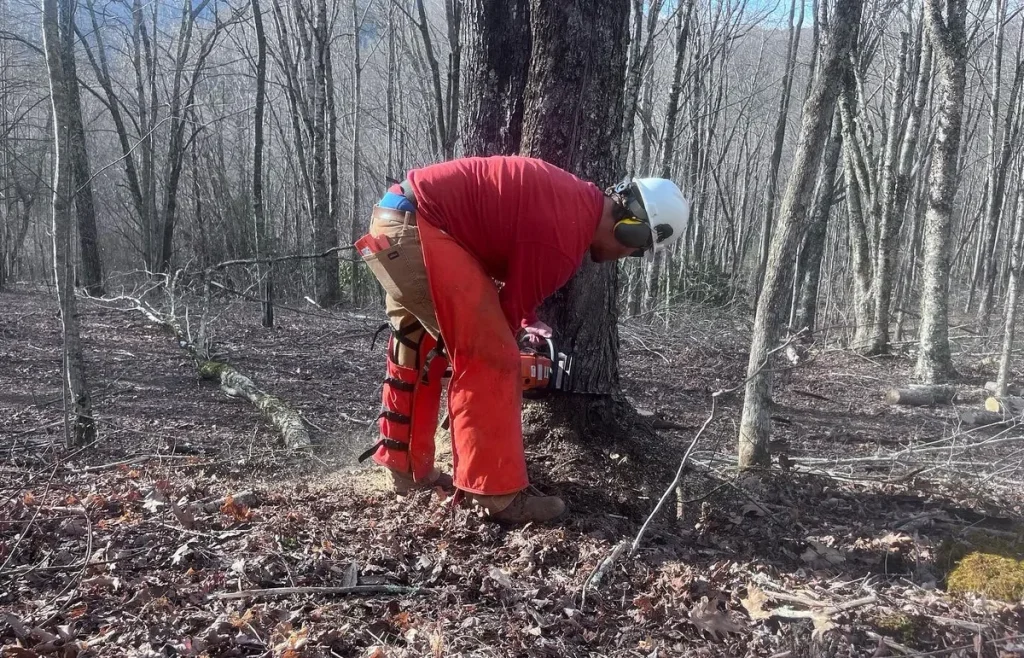
Your group spends up to three days serving alongside local partners. Projects may include food pantries and distribution centers, debris cleanup, community gardens, environmental restoration and community support. Most of the work needs willing, hard-working people more than construction skills, and we match it to your group’s ages and skills.
Your group may also spend time in rural Appalachian communities and with the Eastern Band of Cherokee Indians, learning directly from the people whose history, traditions and ongoing story are woven into these mountains.
Take your adventure day
After the work, your group takes a day to play: whitewater rafting, ziplining, tubing, a summit hike or a swim beneath a waterfall. See the options at each camp below.
Reflect, then head home
We close the week by reflecting together on the work, the people you met and how you’ll carry it home. We’re glad to lead that time, or to join your group in its own way of doing it.
Every evening
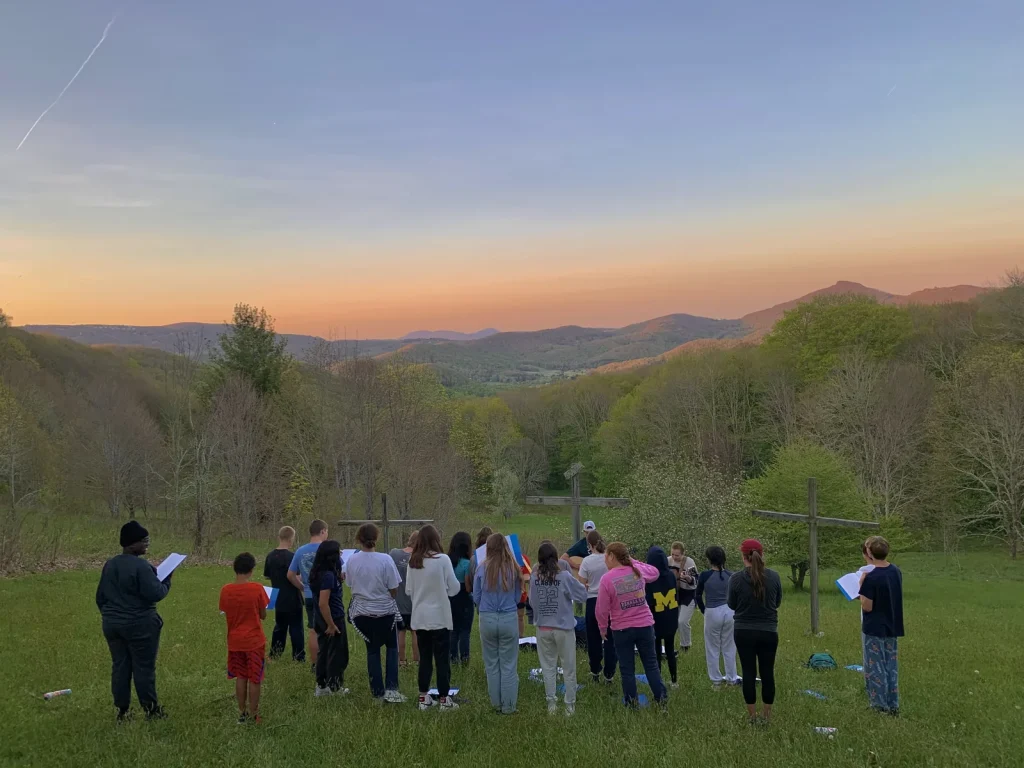
Back at camp, evenings bring favorite camp activities and time to rest and grow closer as a group. Our staff can lead morning and evening devotions and reflection, or join the ones your group already does.
Pick your adventure day.
Every group gets one adventure day. Choose from the options at your camp, or tell us about another attraction you’d like to visit and we’ll help set it up. Some options carry an outfitter’s fee; we’ll share current prices when you plan your day.
No added fee
- More camp time: crafts, the pool, archery, the Group Interaction Course or the indoor climbing wall
- Climbing and ziplining at the Challenge Tower
- A day hike to the waterfalls of DuPont State Recreational Forest or the mountain views of Pisgah National Forest
- A day in Hendersonville, Brevard or Asheville’s River Arts District
Outfitter fee
- A canopy zipline tour near Asheville
- Tubing on the French Broad River
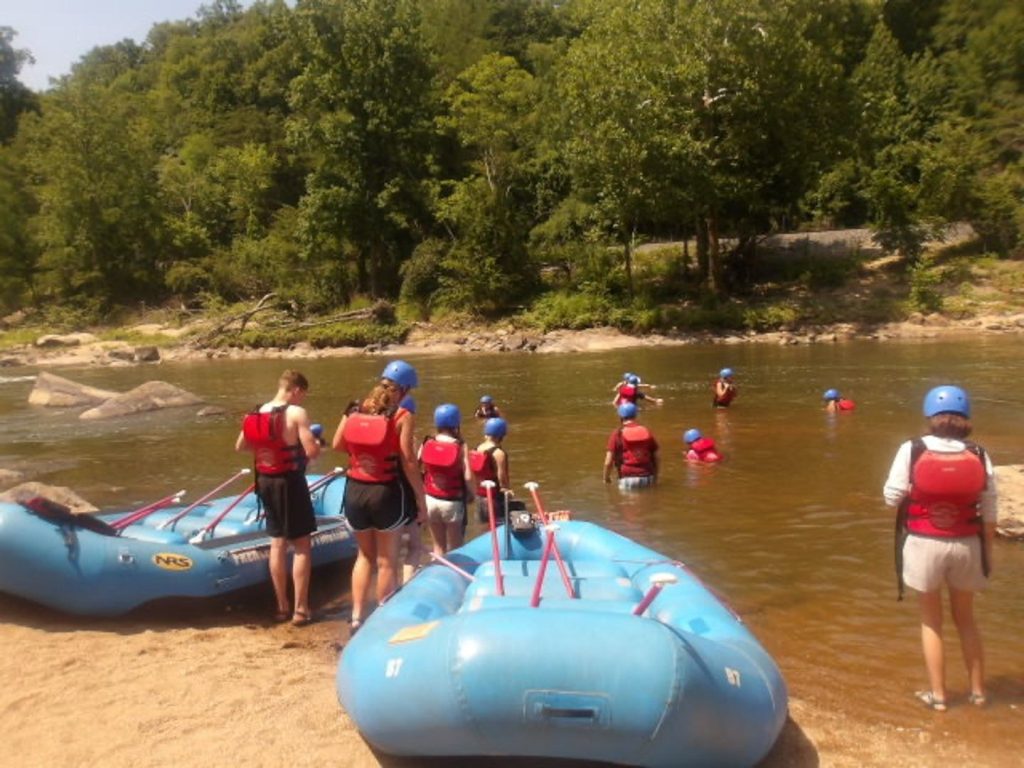
- Whitewater rafting on the French Broad
- A day at Biltmore Estate
No added fee
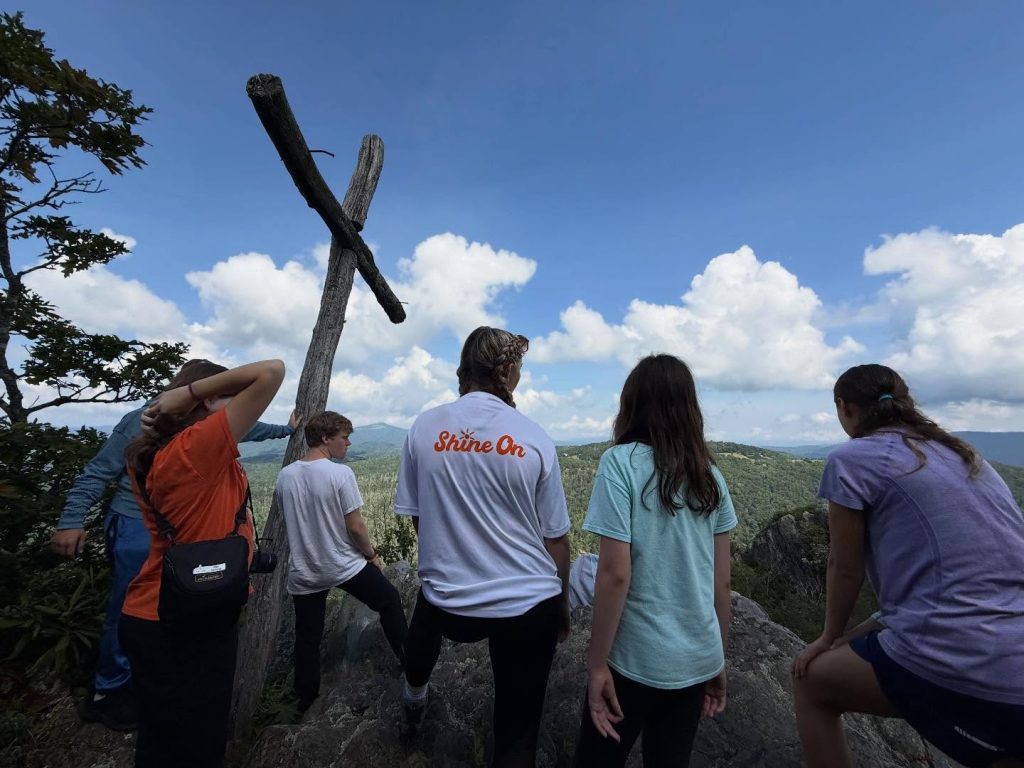
- The hike to Cross Rock, with views of Tennessee, North Carolina and the Virginia Highlands, plus rock climbing led by our adventure staff
- Alpine Sky Park on the upper saddle, finishing on the Giant Zip
- The Alpine Tower and the Giant Swing
- A drive on the Blue Ridge Parkway, with stops for lunch and short hikes
- A day in Boone, Blowing Rock or Banner Elk
Outfitter fee
- Caving at Worley’s Cave, guided by Lutherock staff, with gear and meals included
- A day tubing the New River
- Whitewater rafting on the French Broad
- Grandfather Mountain and the Mile High Swinging Bridge
Get your group ready.
The time you spend preparing your group pays off all week. Here’s how we’d get ready.
Ready to work
Service days can be hard, physical work. Help your group understand this isn’t a week for watching from the sidelines. Everyone gets involved.
Ready to listen
Learn a little about Hurricane Helene before you come. Talk about why you’re coming: we walk alongside the people here, learn their stories and help where we can so they can take their next steps on their own. Follow the project leaders’ directions, since they do this work every day, and take it all in.
Ready in spirit
Before the trip, or even on the drive, talk together about the God-work you’ll be part of. Rooting the week in what God is doing through us is what makes it a servant trip, a way to live out our baptismal promise to serve all people.
Resources for leaders
A few we’d start with.
- Our Appalachian Impact video playlist (opens in new tab)Preview it before sharing with your group.
- This Old House: Carolina Comeback (opens in new tab)Three homes rebuilt after Helene.
- The National Hurricane Center’s report on Hurricane Helene (opens in new tab)The storm in full detail (PDF).
- Water MarkOne youth group’s week at Lutheridge (our story).
- 971 Volunteers, 16,800 Hours, Countless Blessings (opens in new tab)From the North Carolina Synod.
- Boundless Creation (opens in new tab)From the ELCA Youth Gathering.
- Together We Triumph (opens in new tab)Youth sessions for disaster response trips: the leader manual.
- Together We Triumph: student guide (opens in new tab)The same sessions, for your youth.
What group leaders need to know.
Everything you need to plan your trip. Once you reserve, your Program Director walks you through it and sends your group’s timeline.
Reserving your week and registering
- Email Pastor Drew Yoos to reserve a week for your group.
- We send your group agreement.
- Each participant registers online and completes their own registration and release. A parent or guardian completes the release for anyone under 18. Participants who will be 18 or older at the time of the trip complete a criminal background and sex offender registry check as part of registering.
- Send your group’s paperwork by the deadline in your agreement. Depending on the work your group does, a partner organization may have its own release form; we’ll send it to your leaders as soon as we know.
Adult leaders and supervision
Your group brings its own adult leaders, age 21 or older: at least one for every eight youth, and at least two for a group of eight or fewer. Leaders supervise their youth, including in every room where youth sleep, manage behavior, handle first aid and medications, and follow each site’s safety rules.
We assign housing, with sleeping rooms assigned by group; you may share a sleeping space with another group. Tell your Program Director early about any housing needs.
Our staff
An Area Director and our college-age staff greet you, get you settled and stay with your group all week, at camp and at the work sites. They can lead devotions and reflection, run camp and adventure activities, and they’re trained in first aid. If anything isn’t working for your group, tell us. The week is flexible, and we’ll adjust.
Insurance
Your group leader provides a certificate of liability or event insurance covering your group for your week at camp. It must name NovusWay Ministries, Inc. as an additional insured, carry at least $1,000,000 in liability coverage, and come from an insurer licensed in North Carolina.
If you’re driving any vehicle (personal, rented or church-owned), send a copy of your auto insurance policy. We may ask whether you can carry participants from other groups or camp staff; if so, we’ll ask you to sign an acknowledgment.
Health and medications
Your group manages its own health care. Each leader carries a copy of every participant’s health information (allergies, medications, physical limitations and a copy of their insurance card), and it travels in the same vehicle as that participant. Make sure participants list any work limitations when they register, so we can match them with the right work.
Name one adult to manage and log medications for the whole group. Every medication, including over-the-counter, stays in its original container in a locked box we provide, bagged and labeled with the participant’s name. EpiPens and rescue inhalers stay with the person they’re prescribed to.
Bring a first aid kit for camp and the work sites, and tell your Area Director about any injury or illness. If someone gets sick, your leaders care for them and get them to a doctor if needed. We may be able to offer short-term separate housing, and we suggest two adults stay back with anyone who can’t take part.
Phones and photos
Camp is a place apart, so phones and other devices stay in living areas. Youth at our other summer programs don’t bring phones at all; for Appalachian Impact, your group decides. We’d encourage leaving them at home, or having one adult hold them for the week. Youth can take phones to work sites for the ride and for photos, and devices for medical monitoring are always fine.
Always ask before you photograph people or places affected by the storm. And take time to put the camera down and listen.
What to wear
Expect sweat, mud and paint. Most people wear one outfit to serve, shower in the afternoon, change, and wear that evening outfit to start the next service day. Bring t-shirts with sleeves that cover the midriff, long pants or long shorts for work sites, and layers for cool evenings and air-conditioned buildings.
Closed-toe shoes are required at camp and at every work site. Heavy soles are best around debris, and plan on them getting wet at a creek cleanup. Leave anything that advertises tobacco or alcohol at home, along with anything inappropriate or politically charged. We come to serve as Jesus’ hands and feet.
Packing list
- Sleeping bag and pillow (flying in? ask your Program Director about linens)
- Two towels and washcloths, and toiletries
- Light jacket or sweatshirt, and a raincoat or poncho
- Two pairs of closed-toe shoes: sneakers with tread, and shoes that can get wet and dirty
- Sturdy clothes that can get dirty or wet
- Work gloves (we can provide them) and a hat with a brim
- Refillable water bottle, sunscreen, insect repellent and hand sanitizer
- Flashlight for footpaths after dark
- A plastic bag for wet clothes
- Chargers, if your group is bringing phones
- Optional: a camera and a to-go coffee mug
Label everything, and please don’t overpack, since storage space is limited. Tools and materials are provided unless we tell you otherwise. If you bring your own tools, mark them with your name.
Food
Outside food is fine in the common areas of your housing and at work sites, but not in sleeping areas, the dining hall or the pool. Food left out attracts wildlife. Our facilities strive to be peanut and tree nut free.
Spending money
Bring a little for the camp store if you like, and leave valuables at home. When you’re out in the community, buy local. Spending money with local businesses is one of the most direct ways to help a town recover.
Community guidelines
No alcohol or drugs for anyone, youth or adult. Adults may use tobacco only in designated areas and never around youth; tobacco devices found with youth are taken and not returned. No weapons of any kind: anyone with one is sent home right away, at the group’s expense. Groups are responsible for any damage they cause.
Bullying and harassment aren’t tolerated. If you see it, step in if you can and tell a Program Director. Everyone changes in private, one person per stall and one person per bed, and cameras are never used in bathrooms, showers or changing areas. Anything left behind is held for a month, then donated.
“I feel like hearing stories and developing relationships was half of what we were there to do.”
Pastor James, First Lutheran Church, Albemarle
Questions group leaders ask.
Who is Appalachian Impact for?
High school youth groups and their adult leaders. Many work sites have minimum ages, so we look at your group’s ages when we match you with work.
Do we need construction experience?
No. Most of our work is with community partners who need willing, hard-working people. Building and repair organizations usually need older, experienced volunteers, so we match the work to the group you bring.
When will we know our project?
Usually the week before you arrive, and it can change the day before. Recovery needs move fast, and we go where the need is.
Will our whole group work together?
Not always. Depending on your group’s size, you may serve at more than one site.
We’re flying in. What about bedding?
Ask your Program Director about having linens provided, so you don’t have to pack them.
Can the week be adjusted for our group?
Yes. If any part of the week isn’t meeting your group’s needs, tell us and we’ll adjust.
What does it cost, and what’s included?
Your week covers lodging, meals, camp staff, camp activities, your service days and an adventure day; some adventure options carry an outfitter’s fee. See weeks and pricing for both camps.
How do we reserve?
Email Pastor Drew Yoos at dyoos@novusway.org.
Talk to the people who run it.
Pastor Drew Yoos and Mac Feid direct Appalachian Impact at Lutheridge and Lutherock. Ask them anything, or reserve your week.
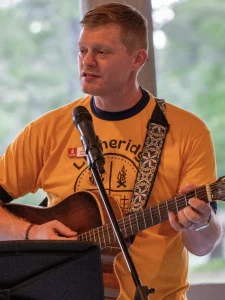

Program Directors, Lutheridge and Lutherock
Bring your group this summer.
Reserve your week with Pastor Drew Yoos, and we’ll help you plan the rest. Or see each camp’s week up close.